| Status: | Active, full but can join waiting list |
| When: | Monthly Dates and locations vary |
The birdwatching group has been active during 2025 under the leadership of Jacqui Butt. Outing dates (usually on the third Monday most months, except mid-winter) and reports will appear on this page. Our group has now grown to over 16+ members and with new members joining recently we are now full (please join waiting list).
Into 2026 - trips and meetings
Our first outing for 2026 was a day trip (part of a John Martin Coaches outing) in late January to Slimbridge, Wildfowl and Wetlands Trust, Gloucs. Quite a calm, bright day, so ideal for birding. We saw around 40 wild bird species, including the iconic Bewick's Swans, as well as avocets and large numbers of other wildfowl. Topped off by witnessing the 4pm seed feeding in front of the large glass fronted hide.
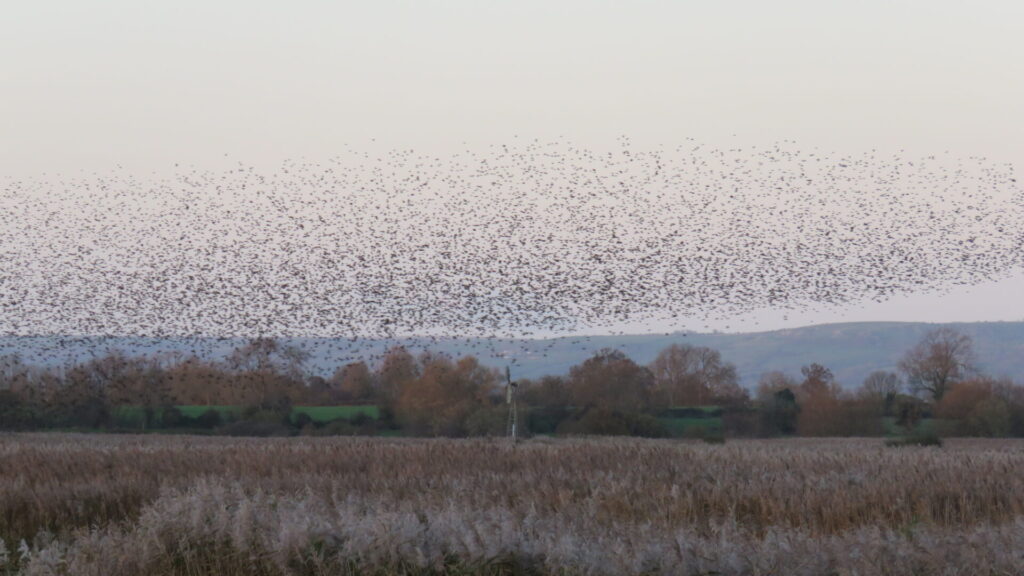
Round up of Autumn 2025 - September, Chew Valley Lake. October, Catcott (for the first time) where we saw over 26 birds and lots of other wildlife on that day; a very good site.
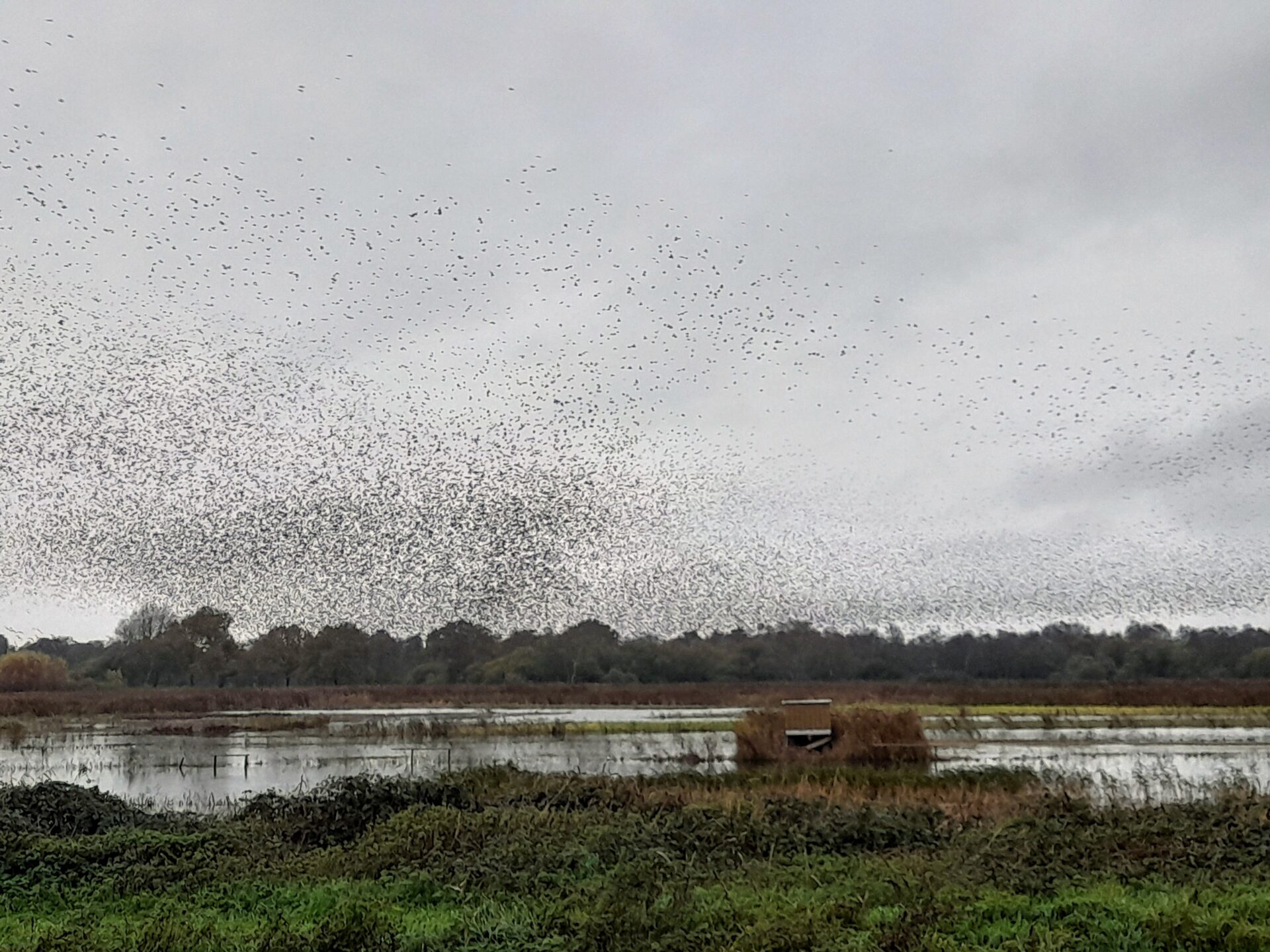
November we went to Ham Wall for the Starling Murmuration again (photo, left). What a sight! The birds seemed very keen to drop into the reeds and not ‘perform’ for too long but against a beautiful pink sky it was magical. We will have a social meeting at the aptly named Mad Swan (Farrington Gurney). Then off to Slimbridge with John Martin Coaches at the end of January. All in all a pretty packed season. Thanks to all members of the group for their support and enthusiasm, a lovely group to lead. Our bird list includes, Kingfisher (my favourite), Buzzard, Gadwall, Great White Egret, Meadow Pipit, Marsh Harrier, Shoveler and we heard a Bittern, not seen .
Westhay Moor Reserve, Somerset Levels
Our July 2025 trip was a return visit to Westhay Moor NNR, part of the Avalon Marshes complex on the Somerset Levels. Although it's generally a little quieter for birds in July, we had a busy time and were treated to close views of a trio of juvenile marsh harriers (dark brown body, pale head) from the Tower Hide. Also great crested and little grebes and other wetland species. Some swifts were spotted as well as glimpses of a kingfisher and a reed warbler. We then retired to the nearby rather rustic and quirky Sweets Tea Rooms for a cuppa. Next month - a library session is planned on 18th August from 2pm. More details from Jacqui.
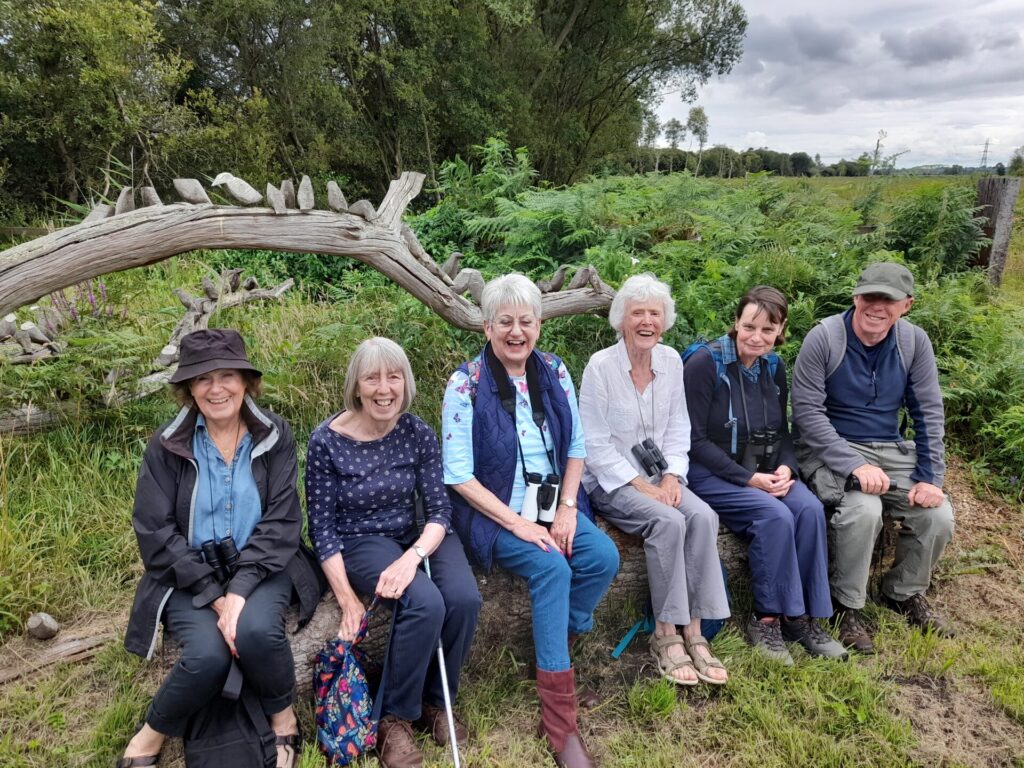
Langford Lakes Reserve, Wiltshire
Our June visit to Langford Lakes Reserve (Wiltshire Wildlife Trust) proved to be another interesting trip, with nearly 40 bird species identified (or heard using the Merlin ID app). A highlight was hearing a cuckoo, and some keen eyed members saw it in flight, too. We also saw a scarce breeding bird, the little ringed plover, which is a small plover with distinctive black-and-white facial markings. One was sitting on its nest on an island (protected by a wire cage) and the whole group had great views of the other adult from one of the hides. Lots of warblers were in song still, and we saw clouds of dragonflies, lots of damselflies, scarlet tiger moths (apparently a 'good year' for the species) and yellow 22-spot ladybirds in various stages of their life cycle.
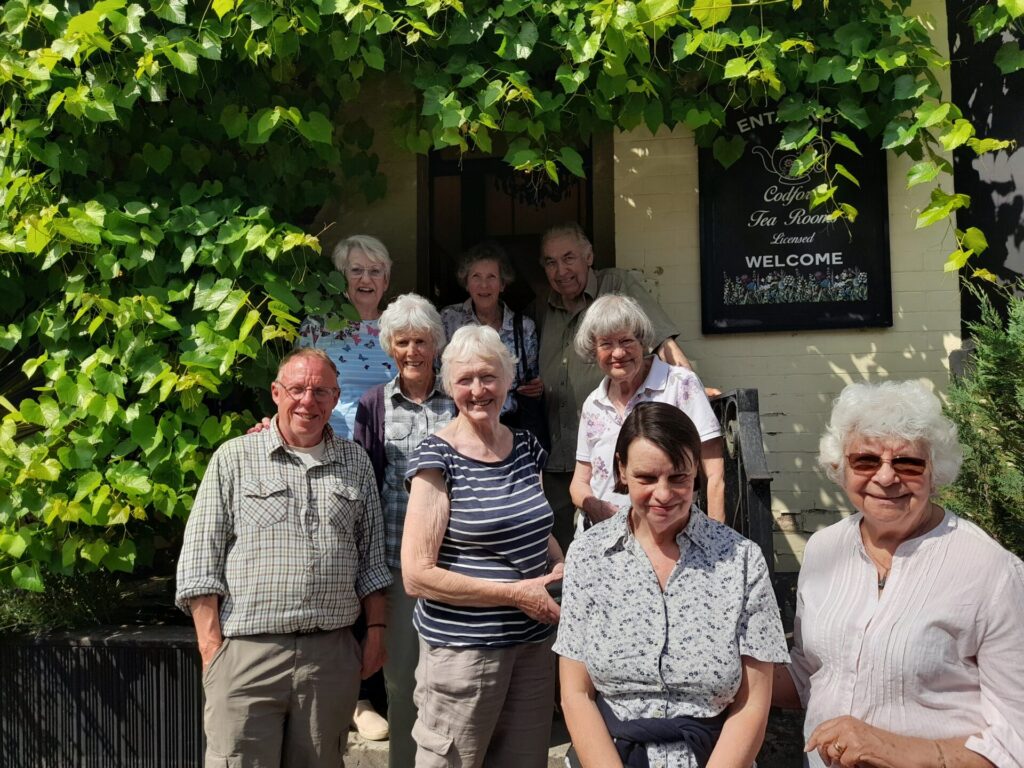
We graced Codford Tea Rooms, a couple of miles away, with our presence for a late lunch. Next trip will be 21st July 2025. GL.
Ham Wall RSPB (Somerset Levels)
In April we made a return visit to the reserve at Ham Wall, near Glastonbury, on the Somerset Levels or Avalon Marshes complex. We struck lucky and recorded an amazing 40 species during our morning visit. Highlights were a Common Crane circling above us for a while, a Bittern in flight, a Glossy Ibis, a small flock of BlackTailed Godwit, a Spotted Redshank, Snipe and lots of Sand Martins. We heard (and occasionally glimpsed) Reed and Sedge Warblers, as well as Blackcap and other warblers. We retired to the Avalon Marshes cafe a couple of miles away for lunch and to compare notes.
Frome - Rodden Valley Nature Reserve
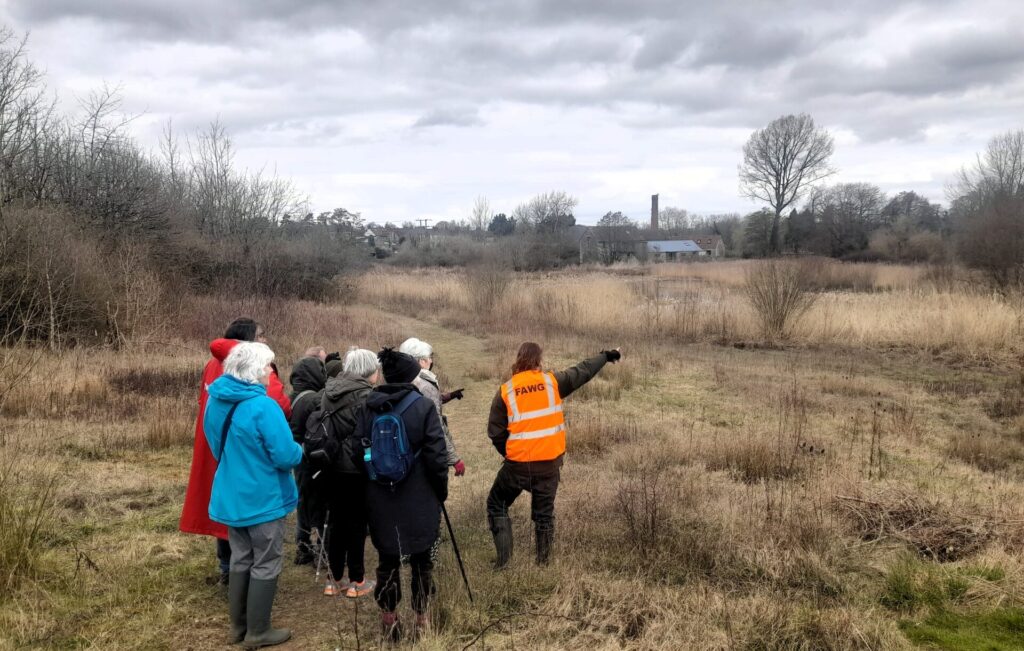
For March (2025) we visited Frome's Rodden Valley Nature Reserve. Even though it is located next to an ASDA store, it is home to a thriving colony of beavers. Who knew there were beavers in Frome! We were led by the reserve's manager, George, who is very passionate about re-introducing beavers and the reserve's wildlife and fauna as a whole. We heard lots of singing chiffchaffs, and watched some red kites at close quarters. Note that public access is closed during summer months to protect the fragile nature of the reserve until it becomes more established. There is all year access to one corner only, via the main road.
Slimbridge
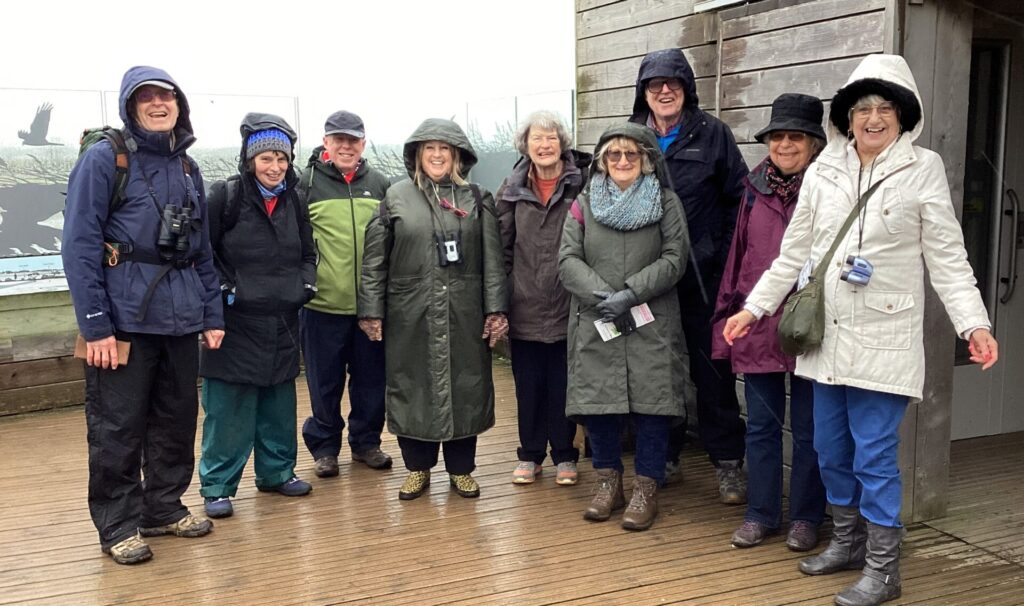
So, in January (2025), nine members of the birding group joined a John Martin Coaches trip to Slimbridge WWT centre in Gloucs. Although a wild, wet and windy day (Storm Herminia) we had a great time wandering around the hides and bird lakes. Some great views, of wintering Bewick's swans, a water rail, a rather sorry-looking spoonbill, avocets and lots of wildfowl sheltering from the storm - wigeon, shoveler, shelduck to name just a few. Thanks to Jacqui for organising a memorable trip.
Starling Murmuration
On a damp, calm, drizzly Monday in November (2024), twelve of us descended on RSPB Ham Wall. Our efforts were rewarded with a spectacular display from wave after wave of incoming starlings before they dived down into the reedbeds. The 'performance' lasted from about 3.45 to 4.15pm, and the inclement weather didn't seem to put them off. Marsh harriers were hunting and trying to pick off individuals. We were also treated to a rare sighting of a glossy ibis (a Mediterranean species), plus good numbers of lapwings in flight over the meres and many other wildfowl.
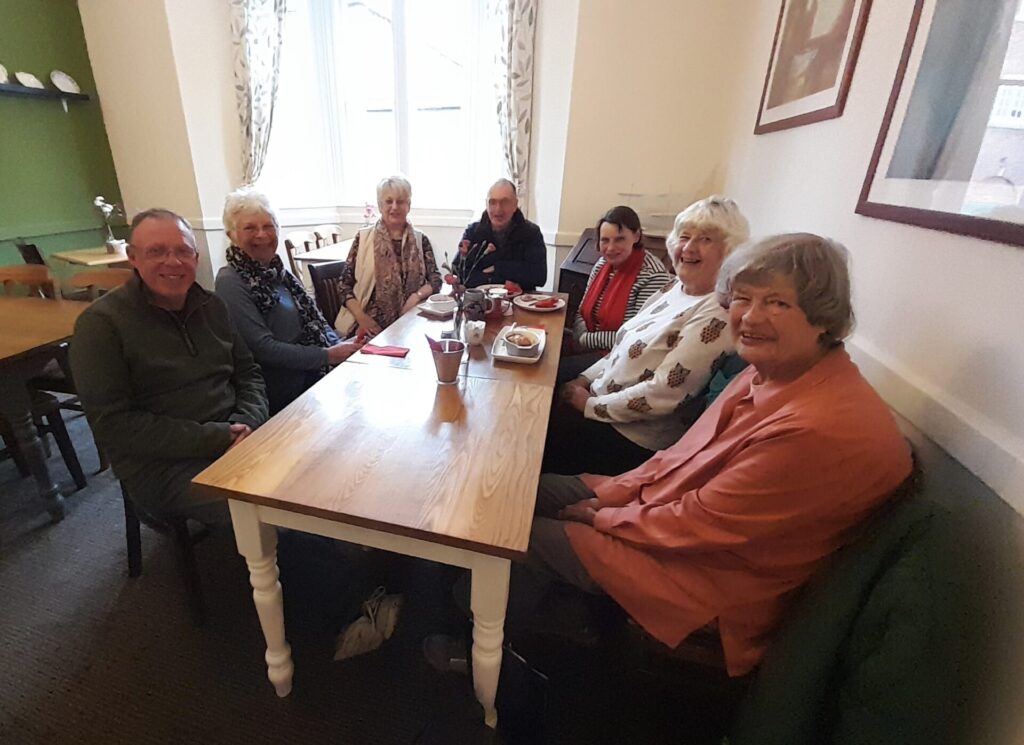
We ventured farther afield in October to Langford Lakes reserve (on the way to Salisbury). What a lovely reserve! Several lakes and bird hides make it an ideal spot for birdwatchers. Highlight was a good glimpse of a kingfisher. We then retired to Codford Tea Rooms (pictured), a delightful place which we would recommend to anyone travelling along the A36. We all agreed that the Lakes (and tea rooms!) are worth another visit sometime next year.
Our August 2024 visit to Chew Valley Lake included a visit to one of the bird hides, where we enjoyed close up views of four species of gulls, including the red-listed greater black backed gull, plus greenshank, little and great white egrets.
In June 2024, a group of us visited RSPB Ham Wall (on the Somerset Levels Avalon Marshes complex) where we heard blackcaps and reed warblers singing, amongst others; also a distant cuckoo. There were several marsh harriers flying across the reed beds, as well as dense clouds of dragonflies flying close to the reeds and paths. It was the season for watching the many fascinating waterfowl chicks on the meres, e.g. grebe and coot chicks. Unusually, we saw a grass snake swimming (wriggling!) across a pond.
Our first outing of 2024 (the weather was against us for a planned earlier outing) was on Tuesday 28th May. We headed over to Frome and walked from the town centre to Rodden Meadow (not to be confused with the nearby Rodden Nature Reserve), a large town park and wildlife meadow. It's now maintained to maximise wildlife. Despite a grey, dampish day we spotted 17 bird species either within, or in song, or flying over. These included a sparrowhawk, red kite, grey wagtail and also chiffchaffs singing. We retired for lunch to the Cheese & Grain cafe.
Birdwatching
-
Birdwatching Group Reports 2023
Selected reports from some of our 2023 birdwatching trips
Outings in 2023 included Silver St. reserve (MSN), Westhay Moor reserve (Somerset Levels), Chew Valley Bird Ringing Station, Folly Farm (Bishops Sutton), Chew Valley Lake and more.
19th May 2023 outing: This time we visited Westhay Moor National Nature Reserve (near Meare on the Somerset Levels) which was full of interesting birds, as well as butterflies, damselflies and dragonflies.
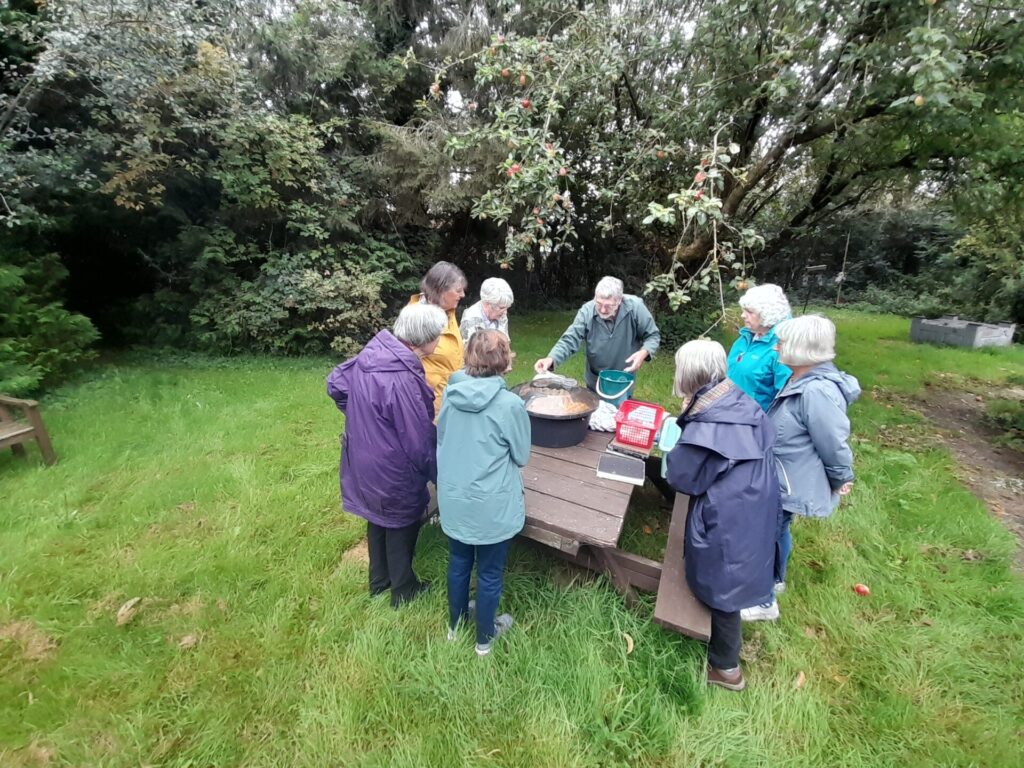
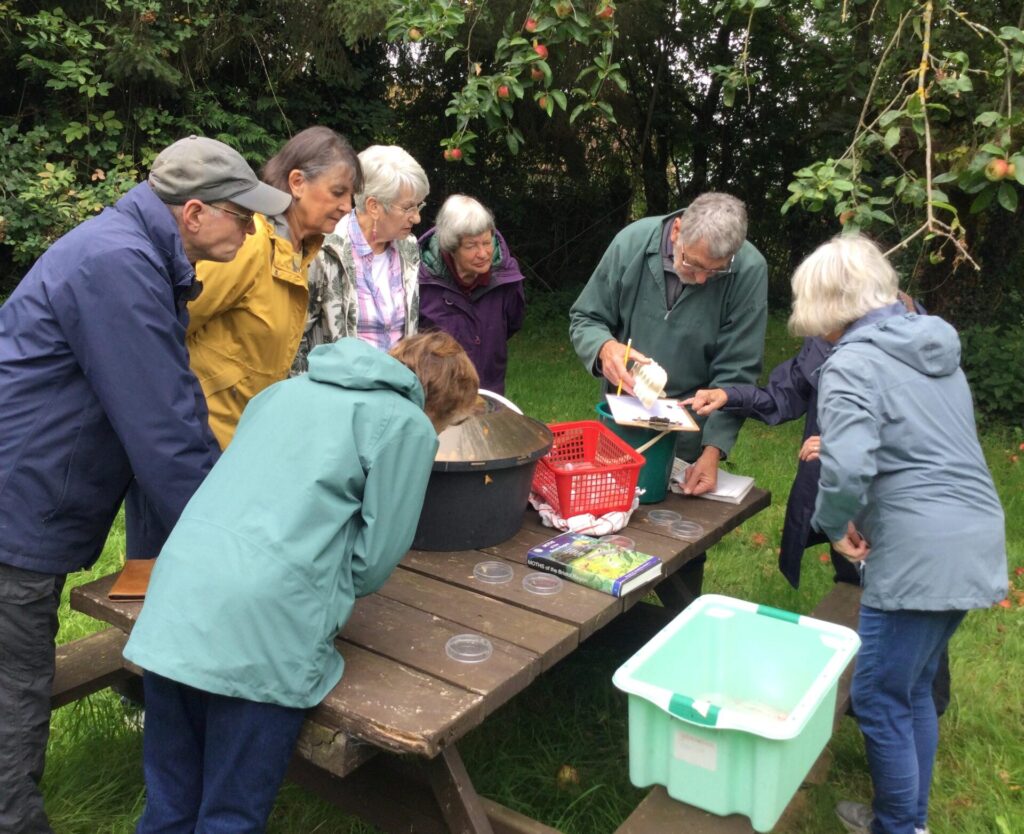
18th August outing: Chew Valley Bird Ringing station. This was a fascinating visit for the group. The session was led by Mike Bailey, one of the volunteers who operate the ringing station, helped by two colleagues. Although only one bird (a dunnock) was caught in the mist net whilst we were there, Mike showed us many slides to illustrate how birds are ringed, recorded and tracked right across Europe and Africa. We were able to watch as the dunnock (or hedge sparrow) was ringed, measured, weighed and recorded onto their database.
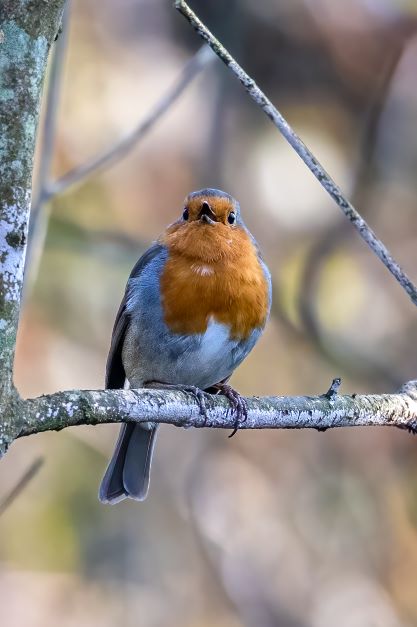
Chew Valley's observations have shown, for example, that our common garden birds often forage over several kms on a daily basis; the robin we see in the morning may not be the same one we see in the afternoon or the next day!
There is much ongoing research in this country and elsewhere using state of the art tracking devices (as well as ordinary bird ringing methods) so our knowledge of bird movements is increasing all the time.
Mike is also keen on recording moths and had set up a moth trap overnight to demonstrate to us the wide range of species in the locality. Over 30 moth species were caught which we examined close up! His overnight haul included a rarity, a small Dewick's Plusia (only a few records in the county), plus Black Arches, Jersey Tiger, Mocha, Silver Y and many more. I think we all went away with a newly held respect for the much overlooked moth family.
17th October, Chew Valley Lake: Herriotts and Herons Bridge viewpoints. Lots of wildfowl, gulls, and some great white egrets were seen. Highlight was a lone Dunlin, seen at water's edge next to the main lake dam. It's normally seen in flocks on coastal mudflats. We had a good view of the bird, probably lost its way and got separated from its flock.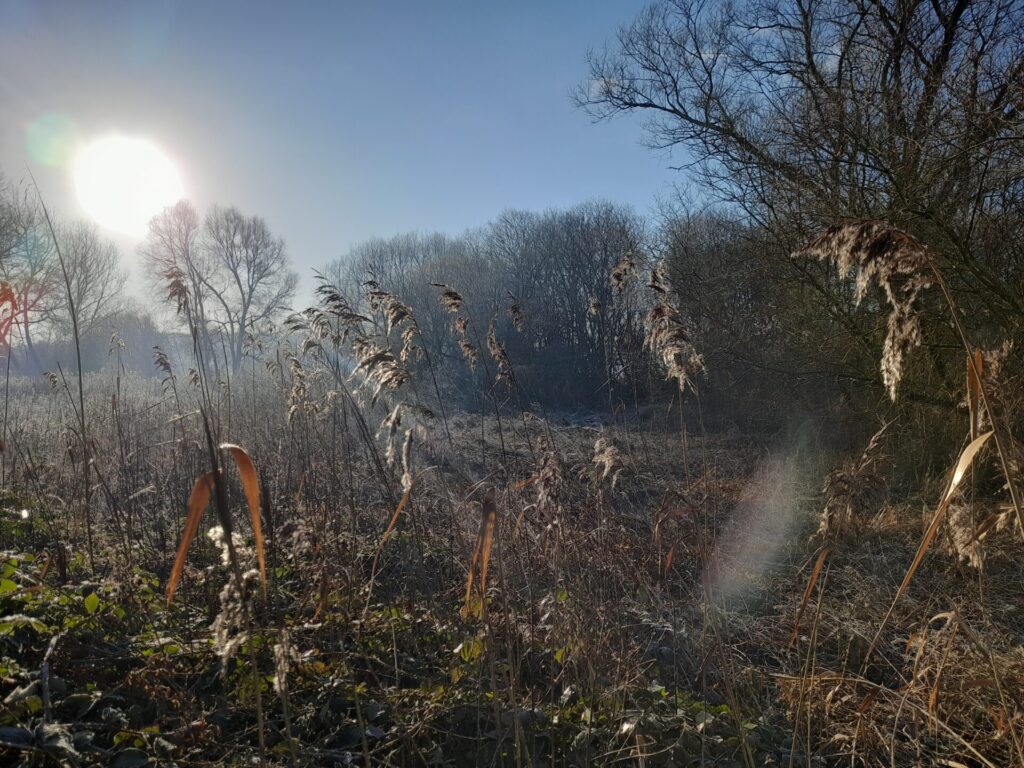
Chew Valley Lake